Can You Get a Refund From an NDIS Provider? Here's How It Works
6/19/2026
The Short Answer: Yes — If Your Consumer Rights Weren't Met
Yes. If a provider didn't deliver what was agreed, charged you for something that never happened, or sold you a faulty product, you can be entitled to a refund.
NDIS participants aren't a separate category under the law. The same consumer protections that apply to any purchase in Australia apply here too. The Australian Competition and Consumer Commission (ACCC) has been actively enforcing this in the NDIS sector — taking action against providers who breach participants' consumer rights, with penalties that can be significant.
Consumer guarantee: A legal right under Australian Consumer Law that says goods and services must be of acceptable quality, fit for purpose, and match what was promised. If they don't, you're entitled to a refund, repair, or replacement.
This applies whether you're buying equipment, paying for allied health, or paying a support worker — not just product purchases.
"Refund" or "Reimbursement"? They're Not the Same Thing
Before going further, it's worth checking which one you actually mean. People often search for a refund when what they want is a reimbursement — and the process for each is completely different.
| Refund | Reimbursement | |
|---|---|---|
| What it is | Money back from a provider because of a service or product issue | Money back to you for something you already paid for out of pocket |
| Who pays you | The provider | The NDIA, or your plan manager |
| When it applies | Overcharging, faulty goods, a service not delivered as agreed | You paid upfront for an eligible support and need to claim it back |
| Where to start | Contact the provider directly | Submit a claim through the myGov NDIS portal or your plan manager |
When you mean reimbursement
If you've paid for something eligible with your own money — a piece of equipment, a taxi fare covered by your transport budget — and you're trying to get that money back into your account, that's a reimbursement claim through your plan, not a refund from the provider.
When you mean refund
If you've paid a provider and something's gone wrong — wrong amount charged, service not delivered, product not fit for purpose — that's what the rest of this article covers.
When You're Entitled to a Refund — And When You're Not
Situations where a refund applies
- You were billed for a session that was cancelled and never delivered.
- Your invoice doesn't match the rates in your service agreement.
- You received equipment that's faulty or doesn't do what it was advertised to do.
- The service you received was materially different from what you agreed to.
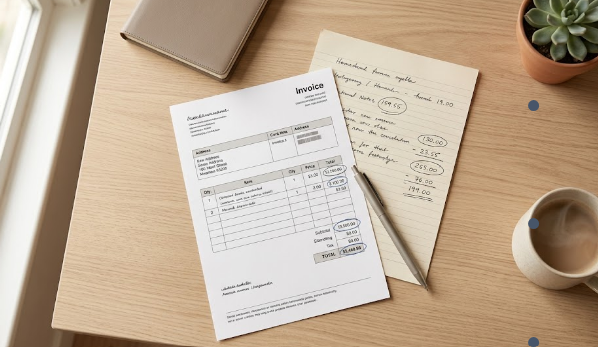
Here's how this plays out in practice. A participant manages her own plan and pays a support worker for twice-weekly sessions. A few months in, she sits down with her invoices and her own diary — where she'd been noting which days the worker actually showed up — and notices she's been charged for a session in early March that never happened. She emails the provider, points to the specific date, and asks for the amount to be credited back. The provider checks their roster, agrees there was a billing error, and refunds the difference within a few days. No drama, no escalation needed — just a clear ask backed by her own records.
Situations where it usually doesn't
- You changed your mind after the service started and there's no fault with what was delivered.
- A cancellation fee was charged within the notice period set out in your service agreement — that's standard, even if it stings.
- You simply didn't like the provider's style or personality — that's a fit issue, not a consumer rights issue.
One grey area worth knowing about: a participant buys a piece of equipment after a provider's website lists it as "NDIS-approved." When she submits the claim, the NDIA rejects it — the item doesn't actually meet the funding criteria for her plan. The provider points to their returns policy and says they don't accept change-of-mind refunds. This is where it gets murkier than a simple change of mind: if the item genuinely wasn't eligible and the provider's marketing said otherwise, that's a misleading advertising issue, not a change-of-mind issue — and it shifts the situation back toward a legitimate refund claim.
How to Actually Request One
Step 1–3: Raise it with the provider first
Check your service agreement and invoice. Compare what you were charged against what you agreed to. Note the specific dates, amounts, or items in question.
Put it in writing. Email is better than a phone call — it gives you a paper trail. State clearly what you're disputing and what outcome you're asking for. SupportSearch's Resources page has templates you can adapt if you're not sure how to phrase it.
Give them reasonable time to respond. Most billing errors are genuine mistakes, not deliberate overcharging. A clear, calm written request resolves most of these without needing to escalate at all.
If they refuse: where to escalate
If the provider won't budge, where you go next depends on what kind of issue it is.
Q: Who do I contact if my NDIS provider won't give me a refund?
A: It depends on the issue. For concerns about a provider's conduct or registration obligations, contact the NDIS Quality and Safeguards Commission. For a straightforward consumer law breach — like a faulty product or being charged for a service that wasn't delivered — the ACCC or your state's consumer affairs office can step in.
Worth knowing before you escalate: other participants who've been through this often have practical, on-the-ground advice about how it actually played out for them. SupportSearch's Community Q&A is a good place to ask before you lodge a formal complaint.
Check Before You Pay Next Time
The easiest way to avoid a refund dispute is to catch a billing issue before it happens. SupportSearch's Pricing Logic Engine checks quoted rates against current NDIS limits, so you can sense-check an invoice before you pay it — not after.